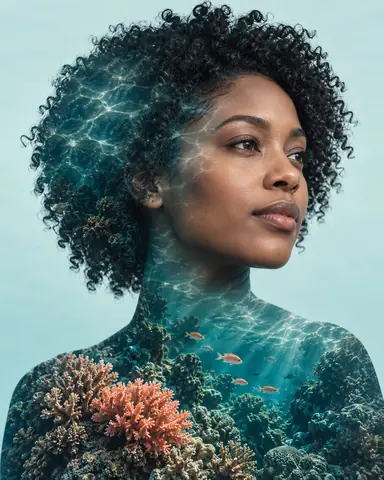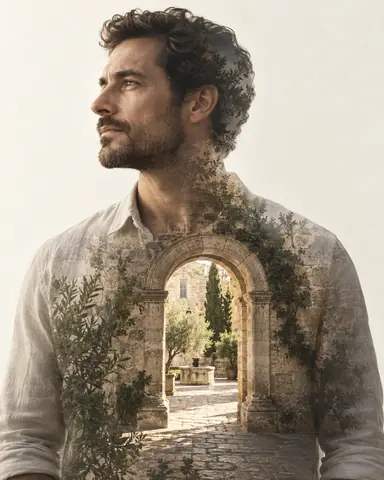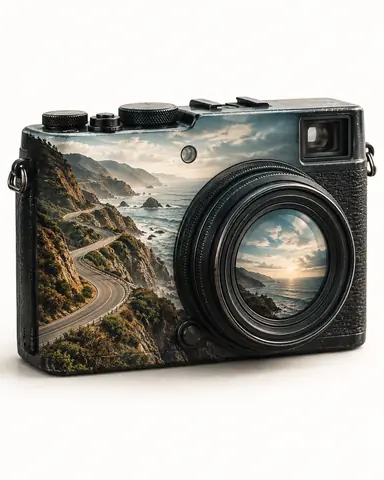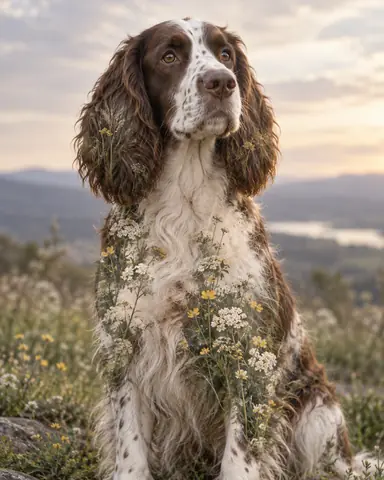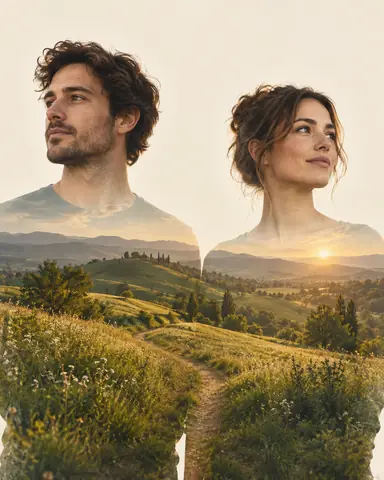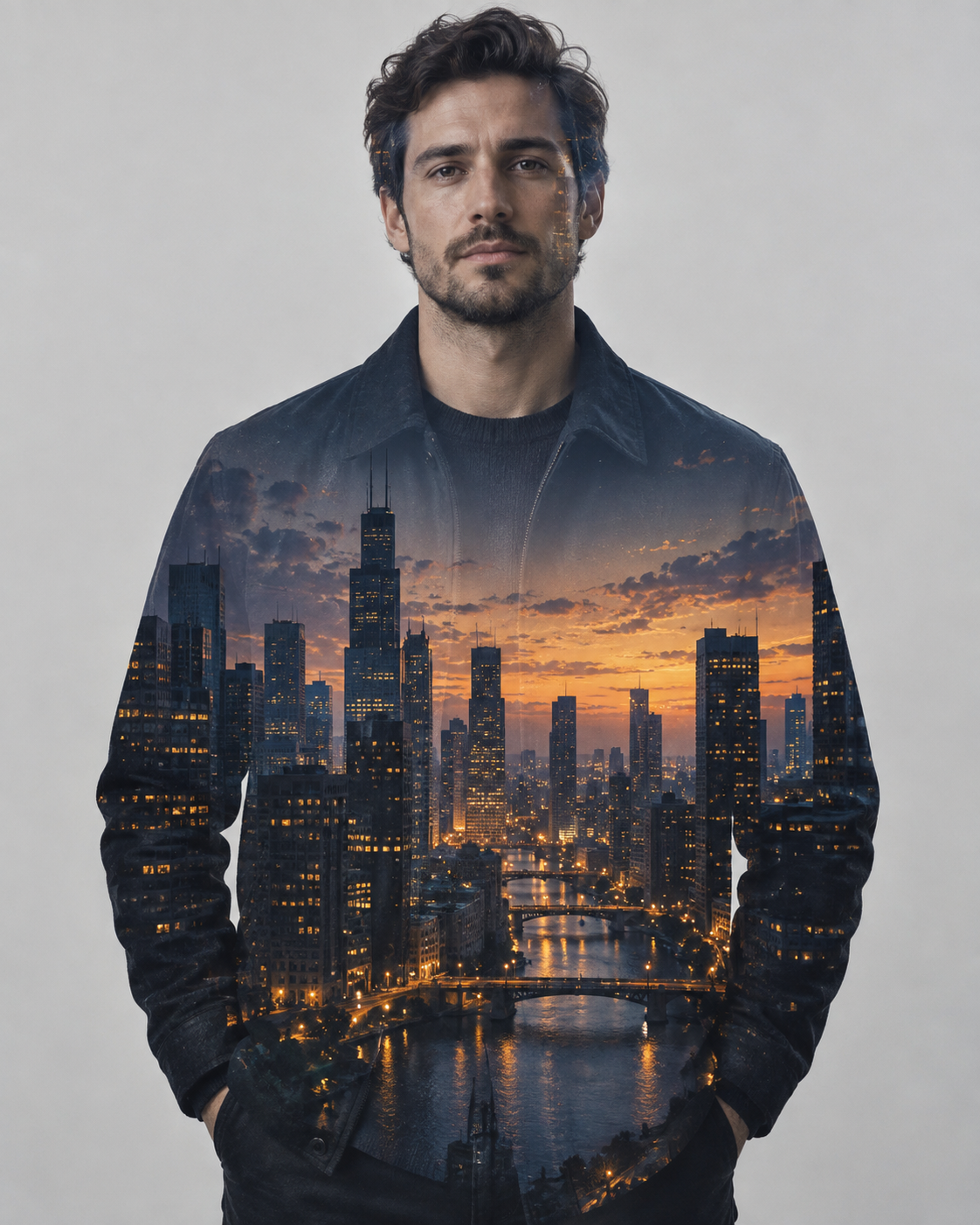
Example result illustrating this prompt's visual direction. Actual results may vary by model, reference image and settings.
 Requires Photo
  Photo Prompts
  Creative Double Exposure Photo Prompts
 City at Dusk Torso Double Exposure
Combine an urban skyline with a portrait using glowing windows and controlled architectural scale.
Prompt
Use the uploaded reference photo to create a polished double-exposure photographic artwork. The ideal source is a waist-up portrait against a simple background. Preserve the reference subject's identity or identifying structure, original pose, proportions, and viewpoint; do not invent unseen facial detail or change age, skin tone, expression, or anatomy. Combine the source with a generated secondary photographic exposure using tonal blending and a carefully feathered silhouette mask, so both exposures remain legible rather than appearing as a pasted collage. Fill the jacket and lower torso with a dusk skyline; align vertical buildings with the body rather than bending them around anatomy. Let warm windows grow sparse toward the neck. Preserve the entire face as the dominant exposure, with faint city reflections only at the temples. Use indigo and amber on a light gray background; exclude recognizable logos and signage. Deliver one finished image in a 4:5 portrait composition, expanding only the neutral background when needed to avoid cutting off the subject. Keep crisp defining edges, smooth exposure transitions, controlled highlights, and natural photographic detail. Add no captions, typography, borders, watermarks, or additional subjects.
Recommended:
ChatGPT


Upload your photo to the AI tool first, then use this prompt.
The prompt asks the model to preserve identity and key visual features.
How to use it
- Upload a waist-up portrait against a simple background; use an image you have permission to edit.
- Paste the prompt and request the double-exposure transformation, using your photo as the subject reference.
- Check defining features and the overlap placement; use a failure fix below if the second exposure hides important details.
Common failure fixes
- If buildings warp, keep their verticals straight and place the skyline below the shoulders.
- If the subject loses recognizable features or structure, restore the reference exposure in those areas and reduce the secondary layer opacity.
- If the result looks like a cutout collage, blend the secondary exposure through the subject's shadow tones and soften the internal mask edges without blurring the outer silhouette.