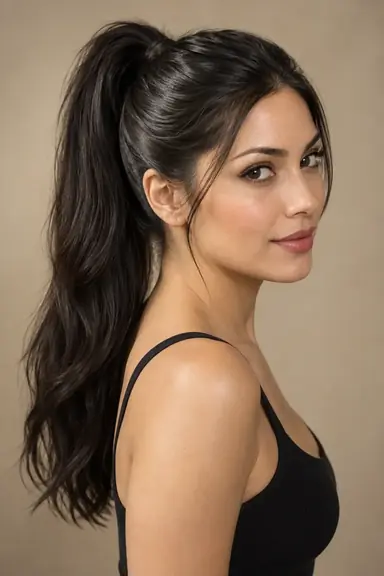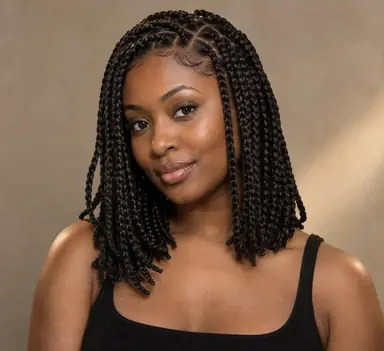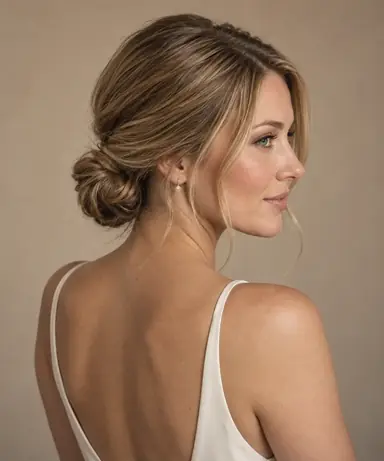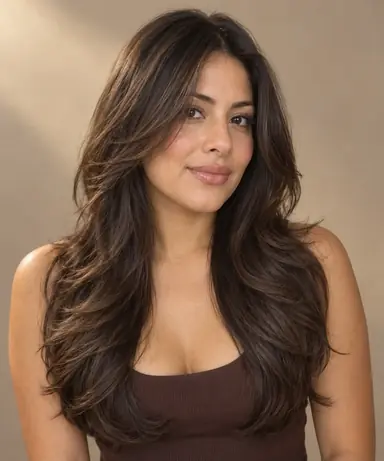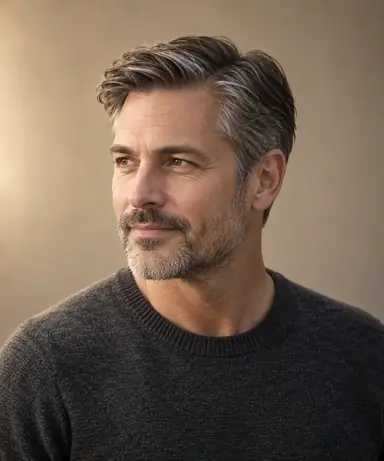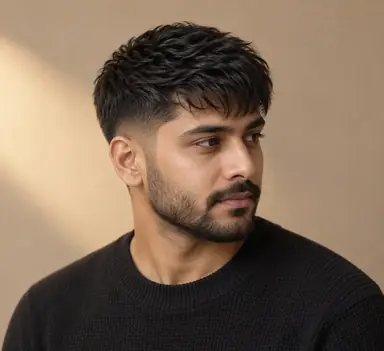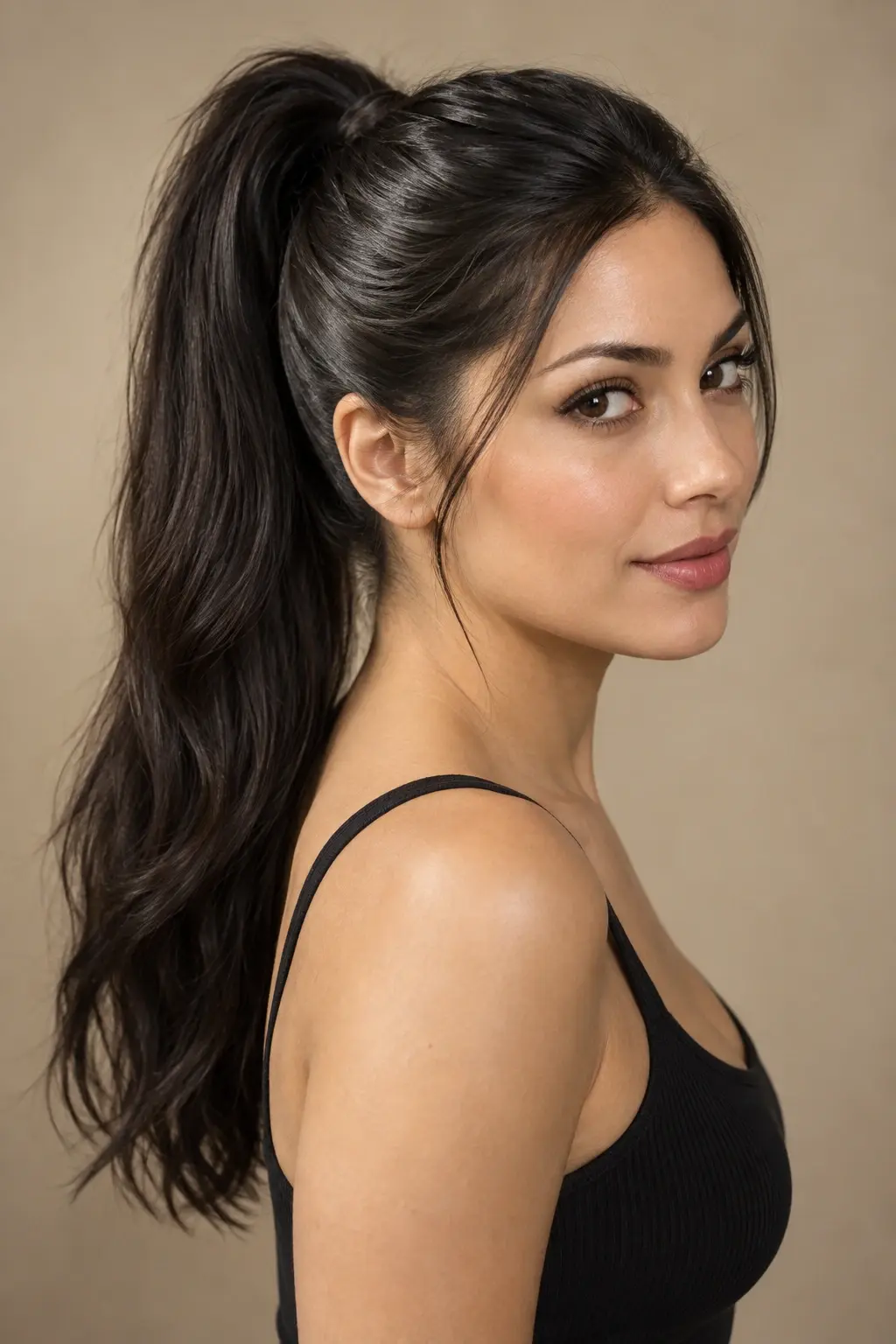
Example result illustrating this prompt's visual direction. Actual results may vary by model, reference image and settings.
 Requires Photo
  Image Editing Prompts
  Hairstyle Try-On Image Editing Prompts
 Sleek High Ponytail Try-On
Preview high ponytail on your reference portrait while preserving your face, natural coloring and photo setting.
Prompt
Edit the uploaded reference portrait to preview a sleek high ponytail secured at the upper back of the head, with continuous gathered strands and a natural flowing tail; retain the original color and use plausible reference hair length. Treat the reference person as the identity anchor: preserve facial structure, apparent age, skin tone, expression, eyes, eyebrows, nose, lips, ears, body proportions, clothing and accessories. Keep the original pose, camera angle, crop, background and lighting. Change only the hair and pixels necessarily revealed or occluded by its new silhouette. Match strand detail, shadows, highlight direction and photographic grain to the source. Preserve natural hair color, including any gray strands. Reconstruct any newly exposed background or skin conservatively from nearby visible evidence. Keep the anchor behind the crown rather than on the forehead, show realistic tension, and avoid pulling eyebrows or changing head shape. If the requested style needs additional length or texture change, render it as a visual hairstyle simulation without altering the face or scalp anatomy. Do not add makeup, beauty smoothing, jewelry, text, watermarks, comparison panels or extra people. Return one realistic edited portrait.
Recommended:
ChatGPT


Upload your photo to the AI tool first, then use this prompt.
The prompt asks the model to preserve identity and key visual features.
How to use it
- Upload a clear portrait with the full hair silhouette visible and minimal obstruction.
- Apply this prompt to preview high ponytail; use a three-quarter view when the style needs its side or back visible.
- Check that your face and original setting remain consistent before using the result as a styling reference.
Common failure fixes
- If facial identity drifts, reapply the edit to the original portrait and restrict changes to the hair region.
- Keep the anchor behind the crown rather than on the forehead, show realistic tension, and avoid pulling eyebrows or changing head shape.
- If hair edges look pasted on, match the original light direction and add fine flyaways and soft contact shadows.