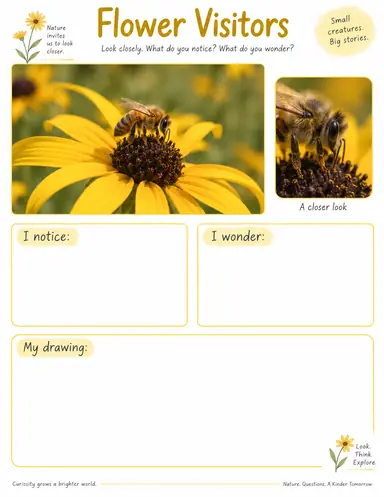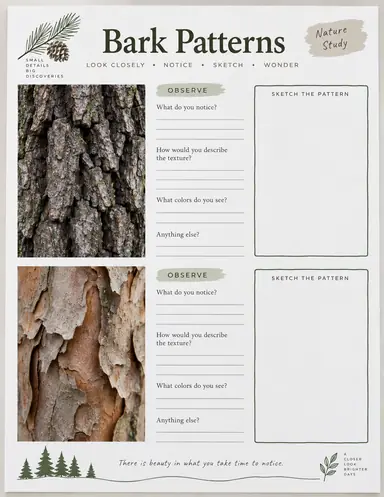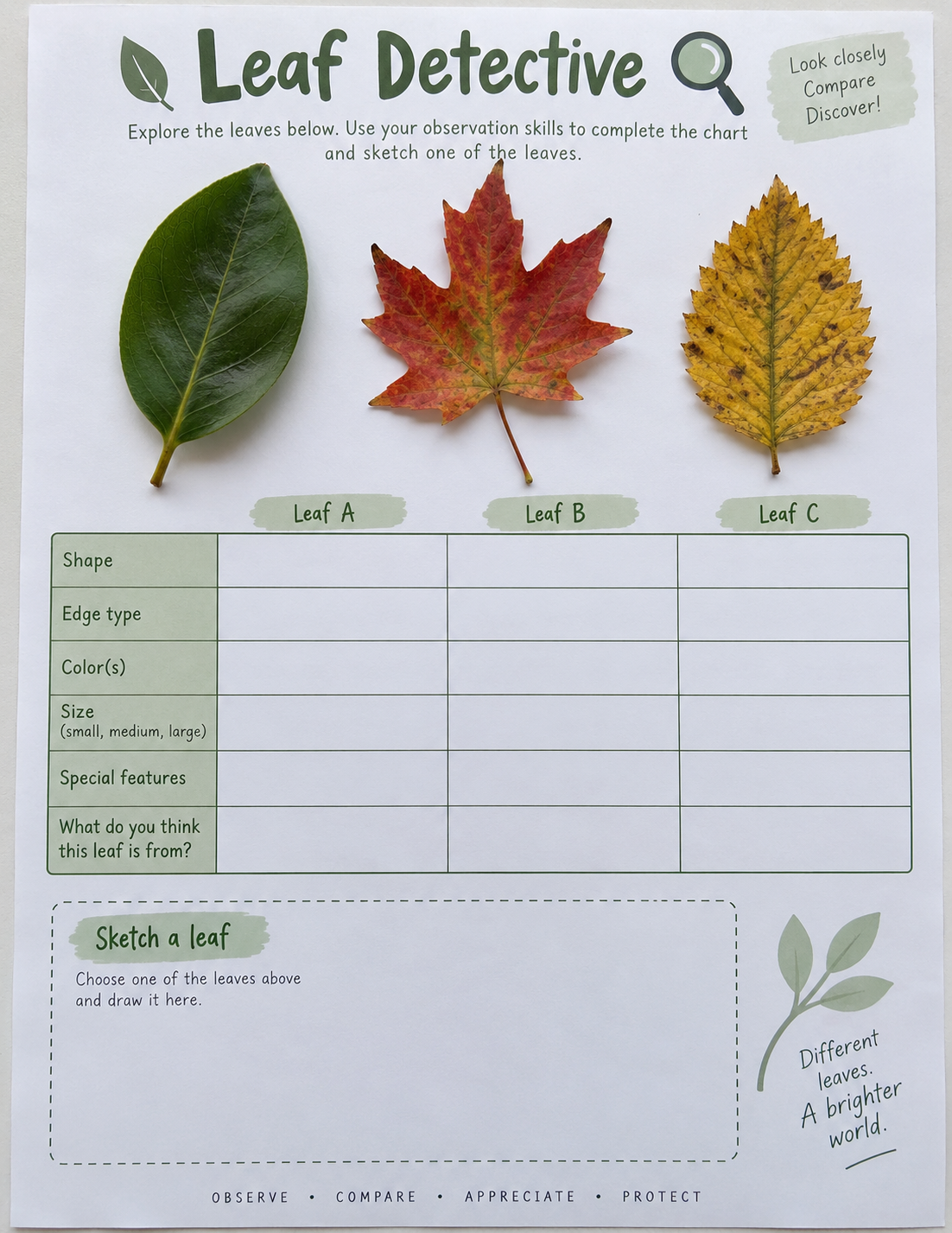
Example result illustrating this prompt's visual direction. Actual results may vary by model, reference image and settings.
 Requires Photo
  Education Prompts
  Nature Photos to Science Observation Worksheet Prompts
 Leaf Shape and Edge Observation Worksheet
Compare visible leaf shapes, margins, and vein patterns without guessing species.
Prompt
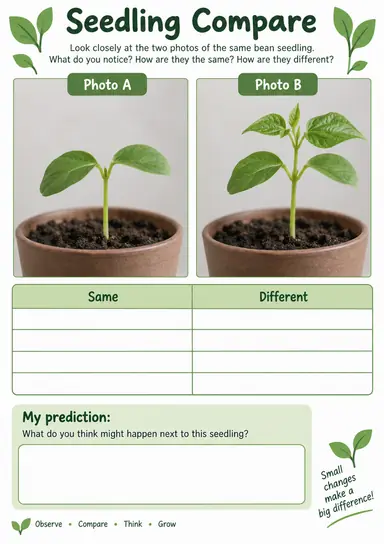
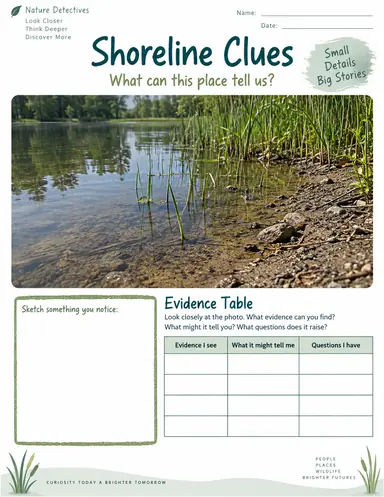
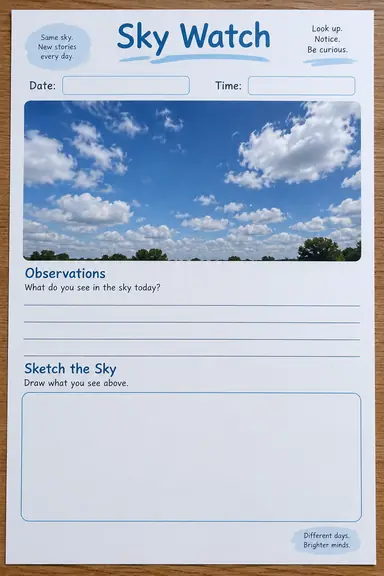
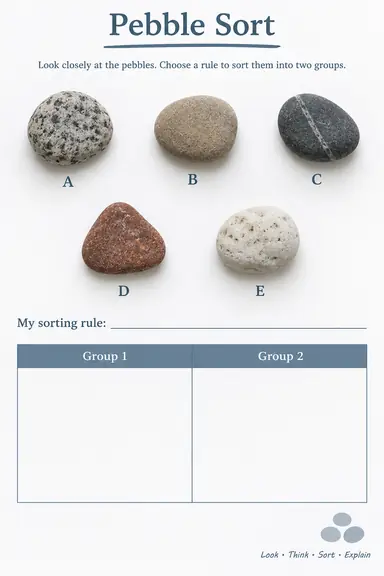
Transform the supplied reference photo(s) into a printable portrait science observation worksheet for learners aged 8–11. Use the actual reference imagery as the visual evidence, not a newly invented replacement scene. Use clear English, large readable headings, generous writing space, white margins and restrained natural-color accents. Preserve observable features; do not fabricate facts, measurements or invisible details. If the reference is missing or unreadable, ask for a clearer photo before generating the worksheet. Keep student response areas blank and omit an answer key, logos and watermarks. Required input: a reference photo showing three separated fallen leaves. Retain each leaf's outline, visible veins, edge details and relative size. Arrange the three source leaves in separate observation panels; do not invent missing veins or a scale. Provide a comparison table with Shape, Edge and Visible veins, leaving student answer cells empty. Add the questions: What is the same? What is different? Include a blank leaf-sketch box. Output one finished worksheet image, with text and photo panels fully inside the page margins.
Recommended:
ChatGPT


Upload your photo to the AI tool first, then use this prompt.
The prompt asks the model to preserve identity and key visual features.
How to use it
- Upload a reference photo showing three separated fallen leaves.
- Paste the prompt and specify a different learner age or language if needed.
- Review the worksheet against the source photo before printing or sharing.
Common failure fixes
- If the pictured evidence changes, request the original photo panels be preserved without adding or removing features.
- If the worksheet invents names, measurements or conclusions, remove unsupported claims and retain only directly visible evidence.
- If text is cramped or response boxes are filled, shorten labels, enlarge blank writing areas and request an unanswered worksheet.