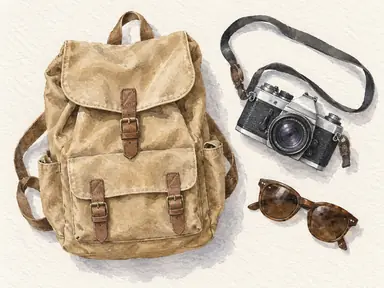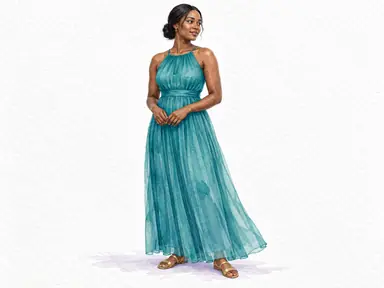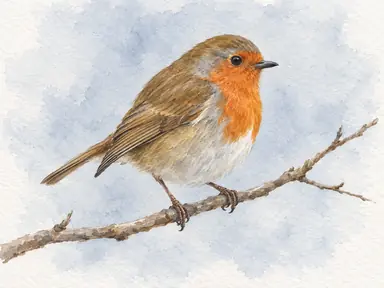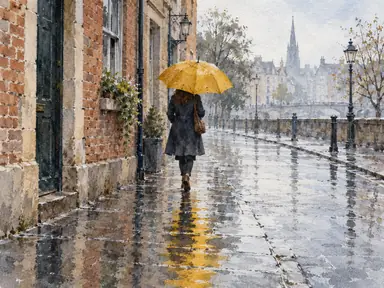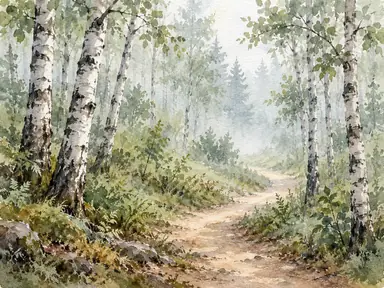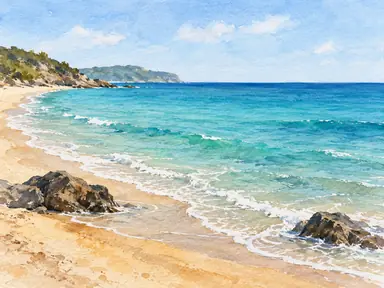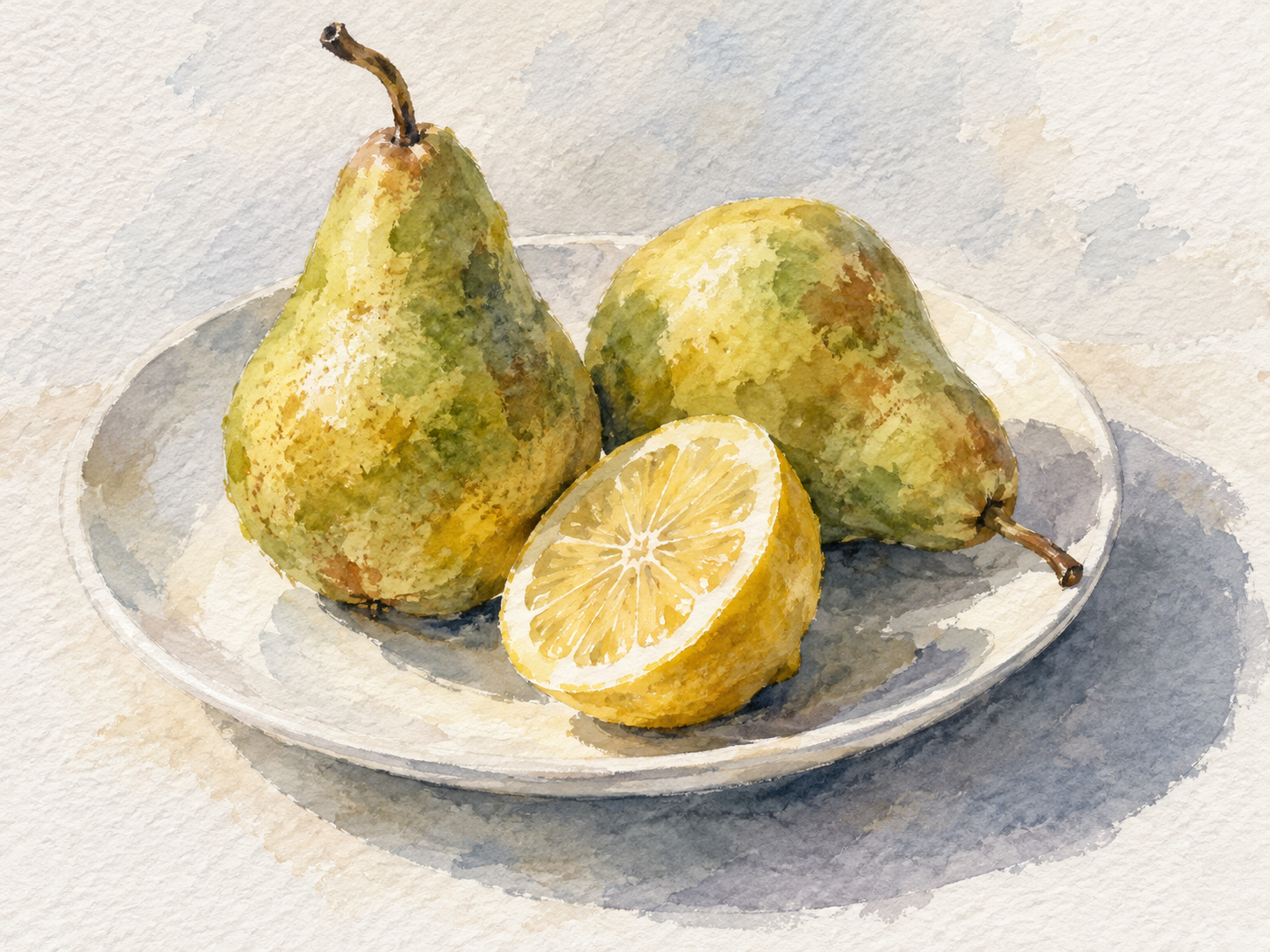
Example result illustrating this prompt's visual direction. Actual results may vary by model, reference image and settings.
 Requires Photo
  Creative Prompts
  Photo to Watercolor Illustration Prompts
 Watercolor Fruit Still Life with Lost Edges
Convert a fruit photograph into a painterly still life using layered color and selective edges.
Prompt
Transform the uploaded reference photo into a hand-painted watercolor illustration. Use the supplied photograph as the authoritative source for subject structure and visible details. Work from a tabletop fruit still-life photograph. Preserve the exact fruit count, types, relative sizes, arrangement, overlaps and any existing dish. Keep the tabletop perspective and source light direction. Build each fruit with transparent color layers, letting neighboring wet washes meet only at selected shadow edges. Use lost-and-found contours to suggest volume and keep a few focal edges crisp. Reserve tiny paper highlights and restrained peel texture. Follow the reference crop, with enough negative space around the arrangement and a unified light background wash. The result must read as a new watercolor painting on subtly textured cold-press paper, with translucent pigment, purposeful brushwork and varied edge softness, not a photograph with a texture overlay. Avoid oil-paint impasto, glossy 3D rendering, heavy cartoon outlines, decorative text, signatures and watermarks. Return a single finished illustration, not a before-and-after comparison, collage or framed mockup.
Recommended:
ChatGPT


Upload your photo to the AI tool first, then use this prompt.
The prompt asks the model to preserve identity and key visual features.
How to use it
- Upload a clear reference photo showing tabletop fruit still-life photograph.
- Paste the full prompt and request one finished watercolor illustration.
- Compare the result with your reference for subject accuracy and apply a relevant failure fix if needed.
Common failure fixes
- If fruit count changes, restore the exact reference objects and their overlap order.
- If every edge is blurry, sharpen the focal fruit rim and selected contact points.
- If colors turn muddy, keep complementary pigments separate in the lit areas.