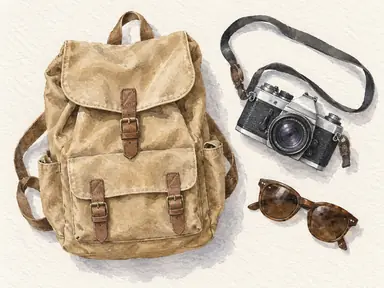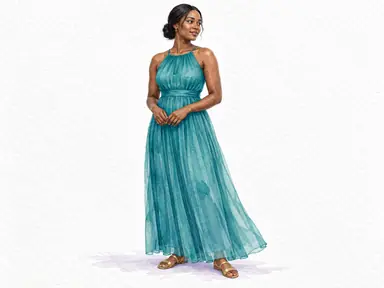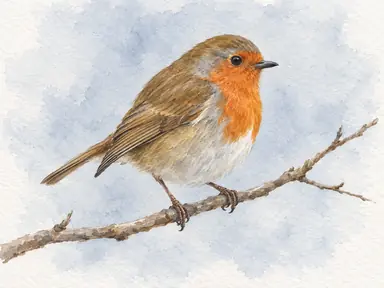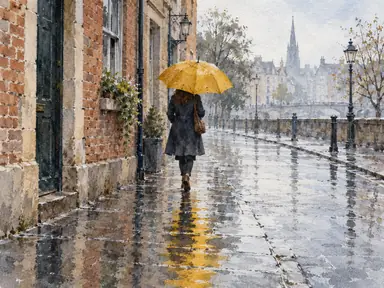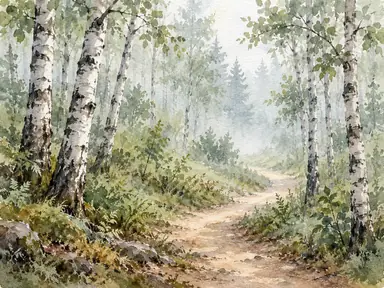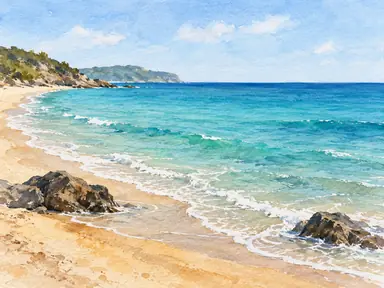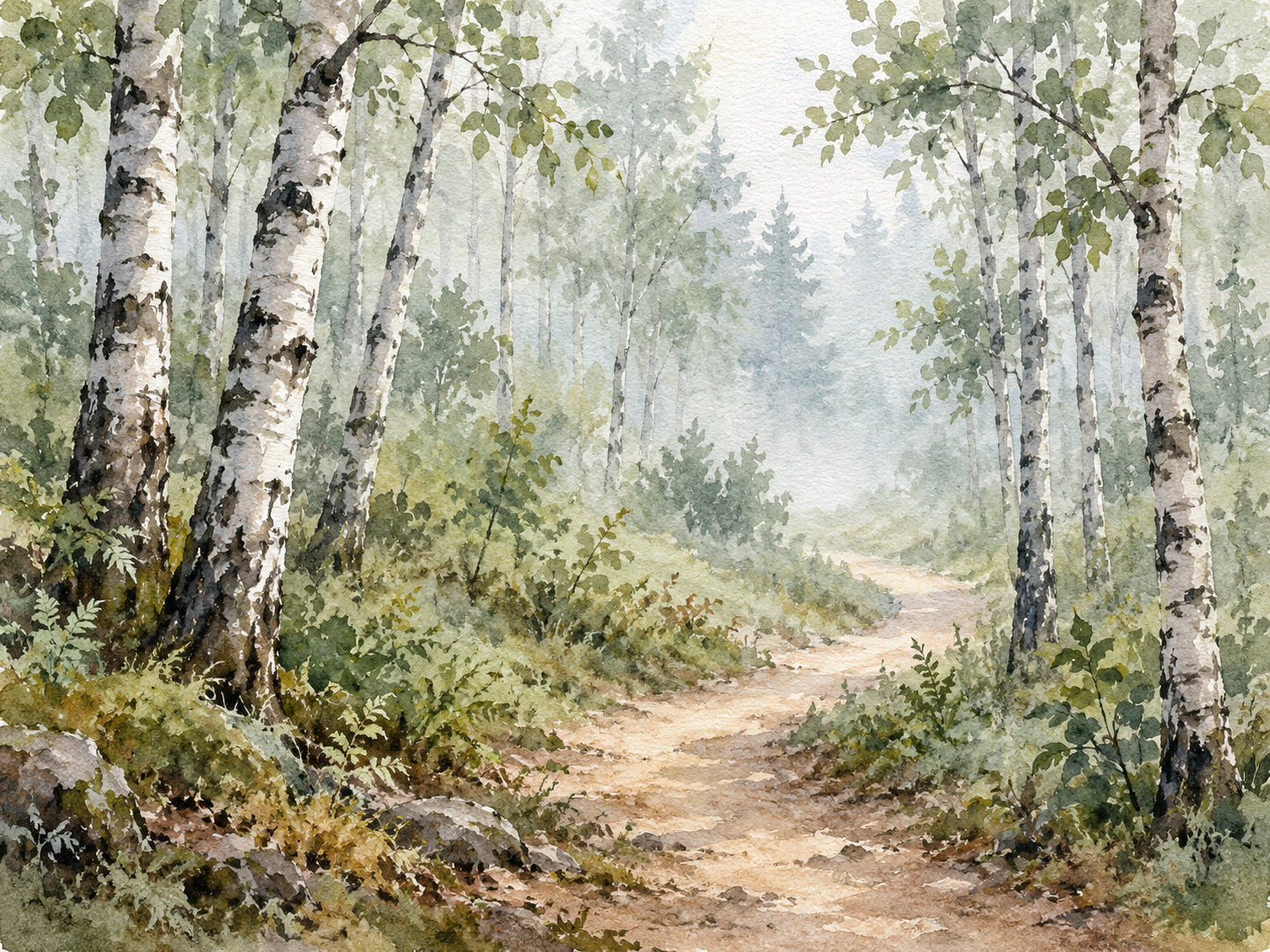
Example result illustrating this prompt's visual direction. Actual results may vary by model, reference image and settings.
 Requires Photo
  Creative Prompts
  Photo to Watercolor Illustration Prompts
 Misty Woodland Wet-on-Wet Watercolor
Convert a woodland photo into soft watercolor while preserving tree structure and depth.
Prompt
Transform the uploaded reference photo into a hand-painted watercolor illustration. Use the supplied photograph as the authoritative source for subject structure and visible details. Work from a woodland photograph with visible depth between trees. Preserve the dominant tree positions, trunk lean, path direction, vegetation type and source season. Keep any existing mist; do not invent weather that changes the scene. Use pale wet-on-wet washes for distant trunks and foliage, then introduce darker wet-on-dry trunks in the foreground. Suggest atmospheric softness through reduced background contrast rather than adding heavy fog. Paint foliage as grouped translucent masses with a few branch accents. Follow the reference framing and keep the original route through the trees readable through lighter negative space. The result must read as a new watercolor painting on subtly textured cold-press paper, with translucent pigment, purposeful brushwork and varied edge softness, not a photograph with a texture overlay. Avoid oil-paint impasto, glossy 3D rendering, heavy cartoon outlines, decorative text, signatures and watermarks. Return a single finished illustration, not a before-and-after comparison, collage or framed mockup.
Recommended:
ChatGPT


Upload your photo to the AI tool first, then use this prompt.
The prompt asks the model to preserve identity and key visual features.
How to use it
- Upload a clear reference photo showing woodland photograph with visible depth between trees.
- Paste the full prompt and request one finished watercolor illustration.
- Compare the result with your reference for subject accuracy and apply a relevant failure fix if needed.
Common failure fixes
- If all trees have equal contrast, soften distant trunks and reserve dark marks for the foreground.
- If foliage forms a solid wall, reopen the reference sky gaps and path negative space.
- If excessive fog hides the scene, reduce the pale overlay and restore visible source structures.