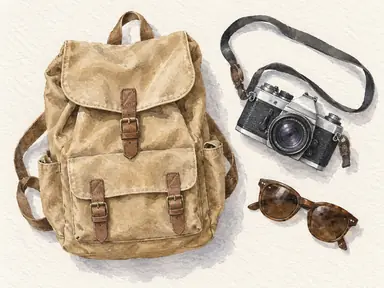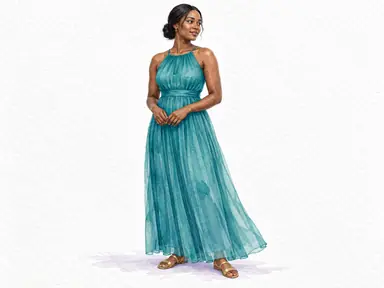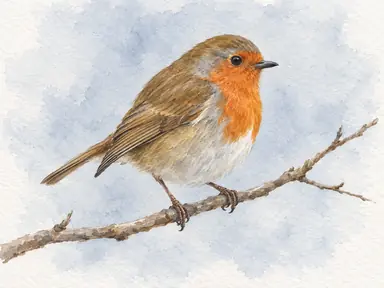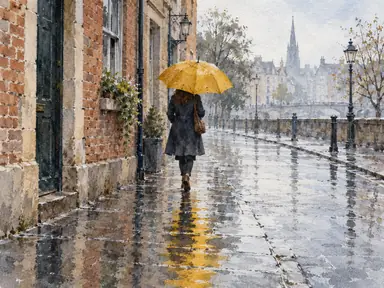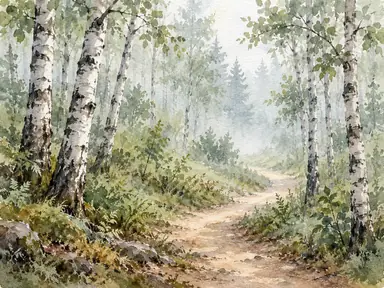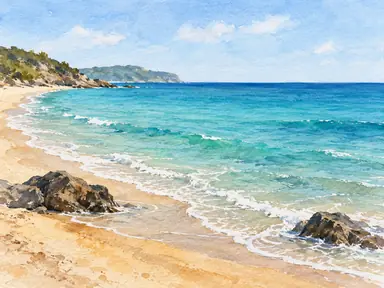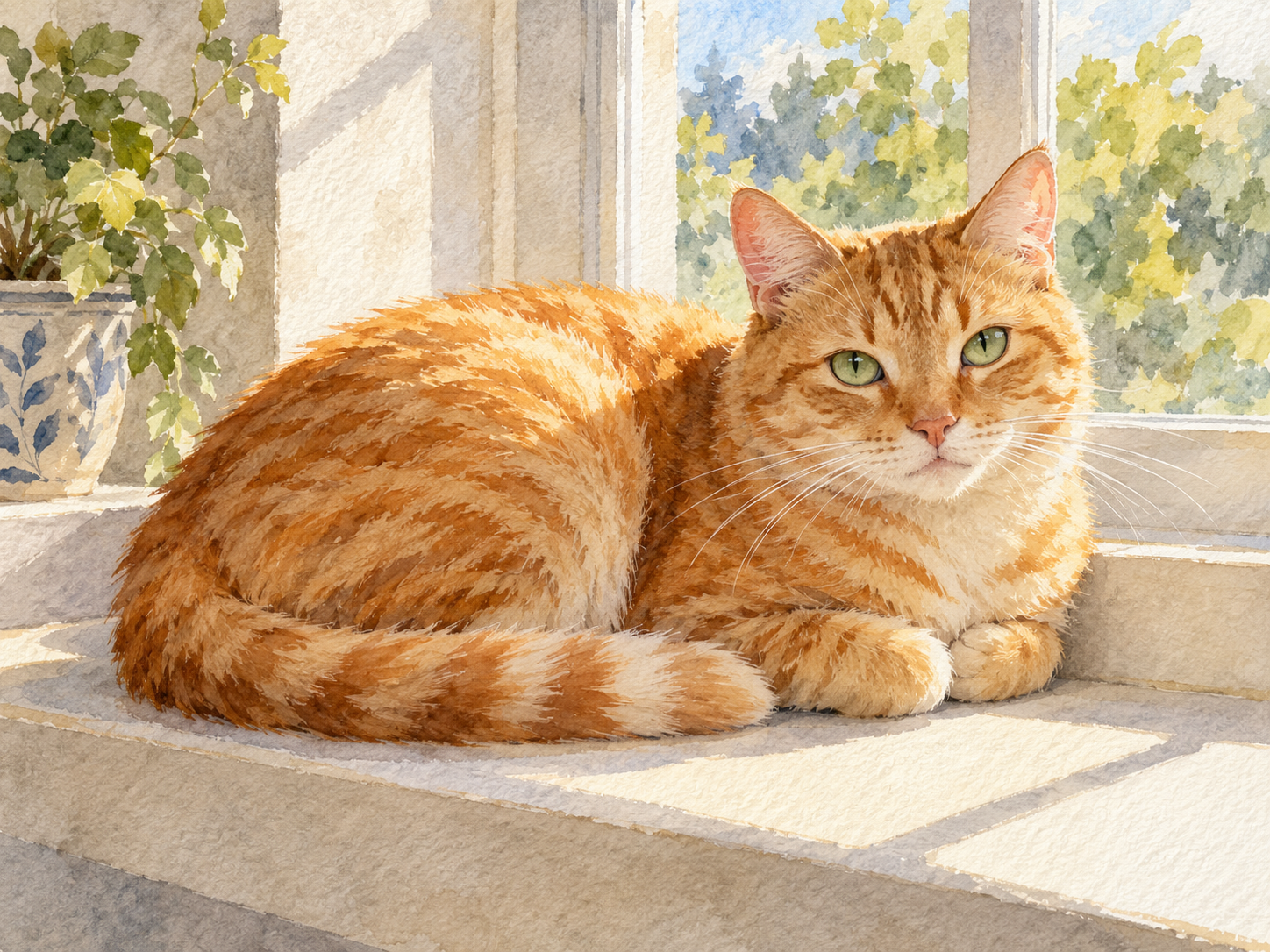
Example result illustrating this prompt's visual direction. Actual results may vary by model, reference image and settings.
 Requires Photo
  Creative Prompts
  Photo to Watercolor Illustration Prompts
 Sunlit Cat Watercolor Illustration
Translate a cat photo into luminous watercolor while retaining its pose and coat pattern.
Prompt
Transform the uploaded reference photo into a hand-painted watercolor illustration. Use the supplied photograph as the authoritative source for subject structure and visible details. Work from a cat photograph. Preserve the cat's body shape, pose, ear angle, gaze, eye color and exact coat pattern. Follow the reference lighting direction and do not invent extra paws or a second tail. Use wet-on-wet washes for broad coat masses and wet-on-dry accents for eyes, nose and selected fur stripes. Express light through untouched paper and warm translucent glazes; indicate whiskers as a few fine, deliberate strokes or reserved lines. Retain the cat's original position and simplify nearby objects into low-contrast shapes, keeping the silhouette clear. The result must read as a new watercolor painting on subtly textured cold-press paper, with translucent pigment, purposeful brushwork and varied edge softness, not a photograph with a texture overlay. Avoid oil-paint impasto, glossy 3D rendering, heavy cartoon outlines, decorative text, signatures and watermarks. Return a single finished illustration, not a before-and-after comparison, collage or framed mockup.
Recommended:
ChatGPT


Upload your photo to the AI tool first, then use this prompt.
The prompt asks the model to preserve identity and key visual features.
How to use it
- Upload a clear reference photo showing cat photograph.
- Paste the full prompt and request one finished watercolor illustration.
- Compare the result with your reference for subject accuracy and apply a relevant failure fix if needed.
Common failure fixes
- If stripes are random, restore the reference forehead, cheek and body markings.
- If whiskers look heavy, reduce their number and use fine light strokes.
- If paws or tail multiply, return to the reference silhouette and visible limb count.